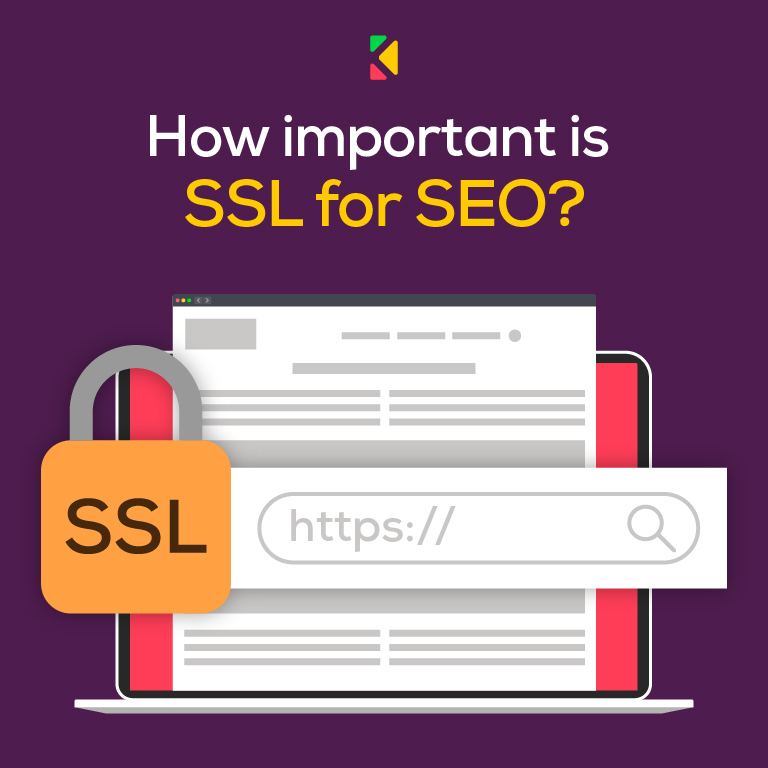
How important is SSL for SEO?
Secure Sockets Layer, or SSL for short, is a widely recognised security protocol that creates an encrypted connection between a web server and a browser. This secure link guarantees that any data exchanged between the server and the browser stays confidential and intact.
Websites that use SSL are identified by the “https://” prefix in their URLs, as opposed to “http://”. We explore the significance of SSL when it comes to SEO.
Google’s Ranking Factor
Google has always placed a strong emphasis on user experience and security within its search algorithms. Back in 2014, the company announced that HTTPS, the secure variant of HTTP using SSL, would be a factor in ranking websites. This initiative aimed to encourage website owners to adopt secure connections, thereby enhancing overall internet safety.
Websites that implement SSL and function over HTTPS gain a slight edge in Google’s search rankings. While SSL is not the only element influencing rankings, it is one of the many signals Google considers when determining a webpage’s relevance and authority.
Mobile Optimisation
When using Accelerated Mobile Pages (AMP), it’s essential to have HTTPS in place. AMP enhances the mobile user experience and boosts loading speed, both of which are crucial for SEO.
Given Google’s mobile-first indexing approach, prioritising the mobile versions of websites for rankings, ensuring your site is secure is vital.
As Google has indicated that HTTPS is a significant ranking factor, having SSL in place is especially important for mobile searches, where competition for attention is exceptionally high.
User Trust and Experience
Websites that have SSL certificates are becoming more recognised as trustworthy and reliable by users. This trust is significantly boosted by the padlock icon that shows up in the address bar of web browsers when a site is secured with SSL. When users notice this security symbol, they tend to feel more at ease when interacting with the site, whether it’s making a purchase, sharing personal details, or exploring content.

Consequently, users are likely to spend more time on websites secured with SSL, which results in lower bounce rates. A decrease in bounce rate suggests that visitors find the content interesting enough to remain on the site.
This heightened engagement can lead to improved conversion rates, as users are more willing to take actions like subscribing to newsletters, completing contact forms, or making purchases online.
Search engines, including Google, take note of these engagement metrics, as they aim to provide the best experiences for their users by favouring sites that offer a secure and reliable browsing environment.
Protection Against Data Breaches
HTTPS helps protect data, reducing the risk of security breaches. If a website experiences a data breach, the repercussions for SEO can be severe.
Such a breach not only puts user information at risk and harms the site’s reputation, but it can also lead search engines to blacklist the site or exclude it from search results entirely. This can lead to a significant decline in visibility and organic traffic, making it even more challenging for the website to recover.
SSL and SEO
SSL plays a crucial role in SEO by enhancing security, building user trust, and potentially improving search rankings. By making SSL a priority along with other SEO strategies, you can establish a safer, more reliable, and prominent online presence that benefits both your users and your business.
Professional SEO Services
Kangaroo SEO might be a small team, but we offer extensive knowledge and skills when it comes to SEO. Whether you need assistance with Lead-Gen, Technical or E-Commerce SEO, we’re here to support your business growth. Get in touch with us today.