Search and Social roundup – what’s new
We’re only a few weeks into the year and already we have a range of updates, announcements and new releases from our favourite social media and SEO platforms. We have identified some of the key things we think you should know from the first two months of 2023.
New link best practice published by Google:
Search giant Google regularly updates its documentation to help webmasters and website owners get the best out of its search engine. One of the more recent updates to their documentation has been around links.
Google has published updated guidance on not only how to create crawlable links, but how to ensure they are valuable from an SEO perspective. Google offers specific advice in the following areas:
Anchor text placement
When making links crawlable, ensure they are using a ‘a h-ref’ link, and place your anchor text within your <a> tag. They give a good example of this:
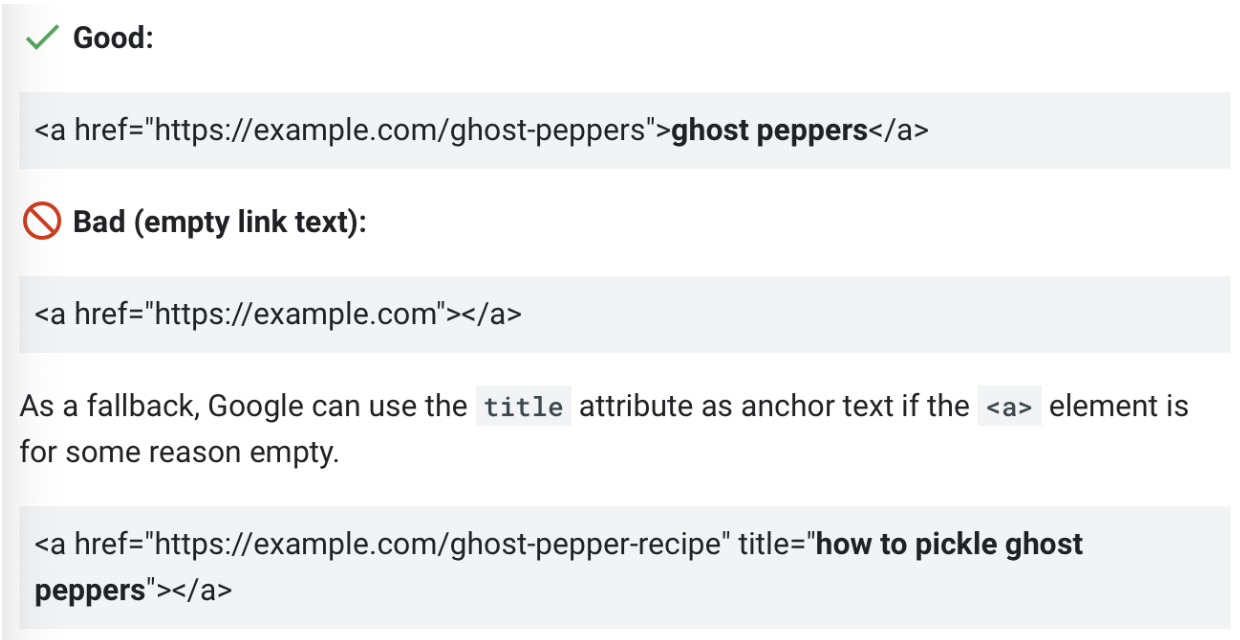
Image source: https://developers.google.com/search/docs/crawling-indexing/links-crawlable
How to write good anchor text
Google is now very clear on what constitutes good anchor text and bad anchor text. They advise that generic link text like ‘click here’ or ‘read more’ is considered poor. They recommend reading anchor text out of context to get the most sense of what it should be written as.
They also advise that anchor text can be too long, giving an example of a 3 line anchor text, as well as an example of too many links next to each other in a sentence (where every work is a different link).
They topline advice for anchor text is that it should be descriptive, concise, and that links are spaced out with context.
Internal linking on your own website
Interestingly Google also has advice for internal links on your website. They advise that every page you care about should have a link from at least one other page on your website and that these links should also have descriptive anchor text.
External links to other websites
When it comes to linking to external websites, Google highlights that it’s important to cite your sources, however the advice is to use ‘nofollow’ (which stops crawlers following those external links) if you don’t trust the website you’re linking to. They also recommend using ‘nofollow’ on comments sections of your website where users can insert links themselves. This stops your website from having too many external links to untrustworthy sources.
Google also notes the importance of flagging links as ‘sponsored’ if you were paid in some way for the link, which can be quite common when working with influencers or partners.
See the full documentation for Googles’ updated guidance on links.