Why product descriptions are an important SEO consideration for e-commerce sites
If you spend hours optimising meta titles, meta descriptions, headers and image alt tags, but then you copy and paste a generic product description on your product page, you may not see the SEO results you were expecting. Yes all of the above is important, but when it comes to e-commerce sites, your product descriptions are one of the most important pieces of content on your page, not only for SEO but also for conversions and sales. So follow our tips on how to leverage your product descriptions and improve your rankings today.
Are product descriptions important for SEO?
For e-commerce SEO, a nice photo, a competitive price and a unique product aren’t enough to make you stand out from the crowd. The most important thing is getting your product in front of your target audience. So outranking the competition is the goal.
The basics of product page SEO
Unlike blogs or resource pages, a product page can often have limited content. This means less opportunity to insert target keywords or key phrases. However just because you have less content, doesn’t mean you can’t optimise it for SEO in an engaging way.
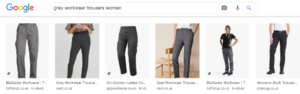
Your product page may not be a 2,000 word deep-dive essay on the history and benefits of your product, but there is still ample opportunity to apply SEO best practice. For example you should still write an optimised title, including the target keyword and brand name if applicable. You should also create an engaging meta description that is within the target character limit but describes the benefits of the product. Aim for a clear, straightforward URL and add high-quality, well optimized images with anchor rich alt texts, as these could be pulled into Google images. Like the examples below, who all use ‘grey workwear trousers’ as their image alt text, and are showing as the top results when I go to image search for my target query:
Use your product description as your core content piece
The product description is your main source of content – for each product page, do keyword research, identify the primary and secondary keywords you want to target, and plan your description around this. Think of your target audience, how they research and what their needs are and be sure to have them in mind when creating your product description. List benefits, key selling points and make sure it is unique.

And the great thing is, once you have the format of one great product page down, you can use this across all your products, saving time and maintaining high standards.
Tips for writing product descriptions that rank
Identify top level and transactional keywords
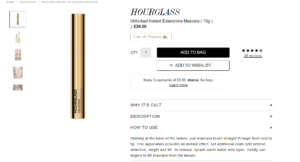
A properly optimized product description will give you the best results – and to do this you should plan your keywords in advance. You’ll want to first identify your top level keyword – for example if you’re a makeup brand, you might sell ‘Tubing mascara’. This is your primary product keyword. But this alone could be highly competitive, so you’ll want to look for some secondary, longer-tail keywords with transactional intent.
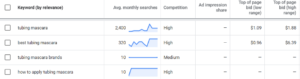
Think how your prospective customer would think, and uncover the related search queries. Once you have a few, pick the most relevant and plan your content around these.
Add a How-to section to your product description
How-to sections are a great way to incorporate long-tail keywords into your content as well as providing the customer with useful information about your product. How-to sections also have a higher chance of being pulled into Google’s featured snippet if they answer a popular question.
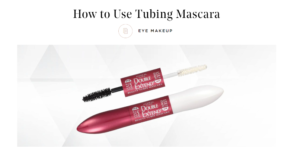
Some brands even create whole blog posts that answer how-to questions to improve their rankings for their target phrases, like L’Oreal has done in the image above, so incorporate a how-to section into your product description to improve your visibility and offer more content to your audience.
Add a FAQ section
In the same vein as a How-to section, Frequently Asked Questions sections are another great way to add content to your product description and improve your chances of being seen by more potential customers. Google favours question and answer sections in its featured snippets, and often displays a ‘People Also Ask’ section for most search queries.
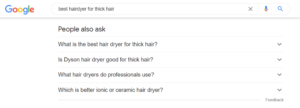
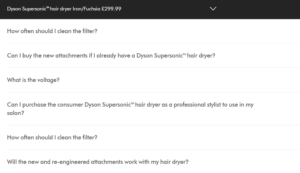
This is a great opportunity for your content to be pulled into one of these sections, so think of some relevant questions related to your product, or better yet, Google your product name and see what Google is already showing as ‘People Also Ask’ and tailor your content to that. Dyson is one of the brands that includes FAQ sections in its’ product descriptions:
Other product page considerations to improve SEO
Once you’ve identified your keywords, structured your product page and written a great product description, there’s some final actions you can take to take your product page to the next level.
Rich Snippets
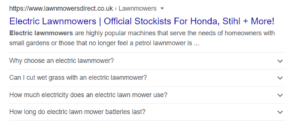
Structured data can be used to highlight to Google the various types of content in your product description and encourage them to display this directly in the search results. Schema.org lists all of the structured data types that can be used, and we have highlighted the top 3 schema types for e-commerce sites, but some of the key types to consider for your product descriptions include: Product schema, FAQ schema, Offer schema, Product availability Schema and Review schema.
Real Reviews
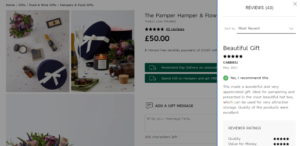
Speaking of reviews, nothing is more encouraging to a user when looking to make a purchase, than a positive review. And reviews aren’t only favoured by humans – Google also tends to see reviews as a positive ranking signal when indexing search results. So if you can, always include reviews, good or bad, on your product pages. This demonstrates to both your customers and the search engines that you are transparent and trustworthy.
Page Speed
Finally, no one likes to land on a page and wait for it to load. In fact, a one-second delay in page load time will drop your conversion rate by 7% according to a survey conducted by SmallSeoTools.
So if you want to improve page experience for both users and Google spiders, optimize your page speed for both desktop and mobile. There’s a range of free tools to do this, some of which we cover in our SEO tips for manufacturers, but the main ones include PageSpeedInsights and Lighthouse.
So hopefully your product pages will no longer sit in the abyss of page 5 of Google, but instead they can climb to page 1, and help more users to find the products they are so eagerly searching for! If you would like any support with optimising your product pages, give us a call and we’ll be happy to help.
Contact our Wakefield based team on 0800 234 3977
Struggling to Get Your Site Ranking? Get in Touch. Need Help Boosting Your Authority? Read on...